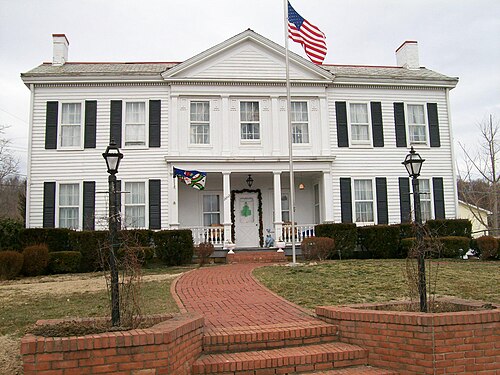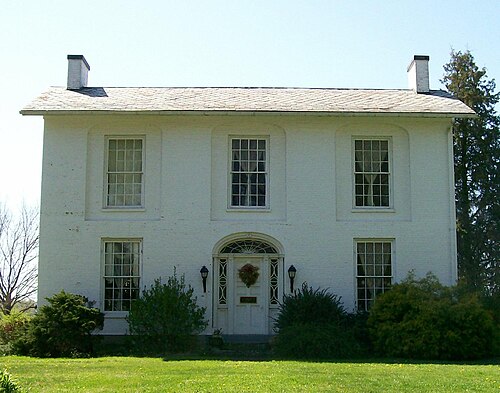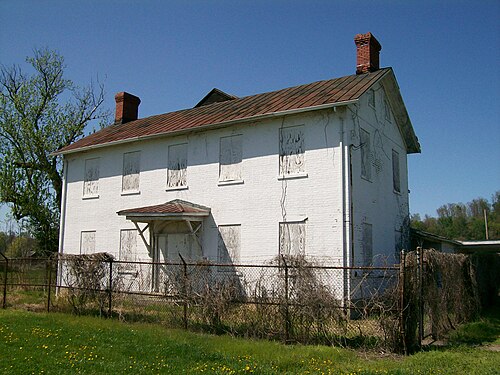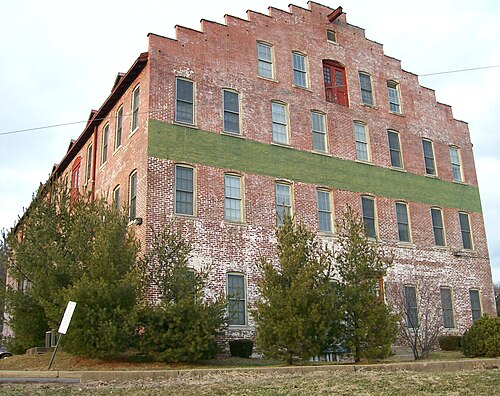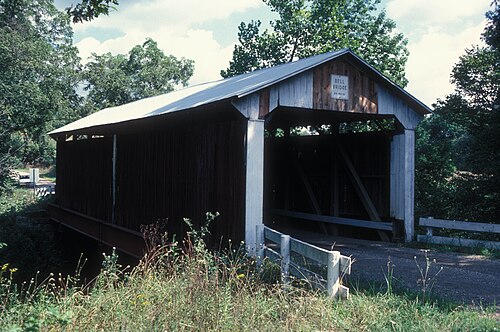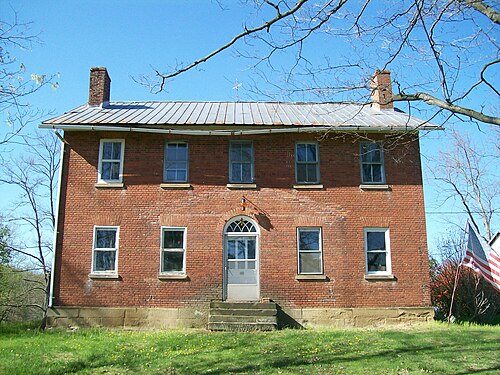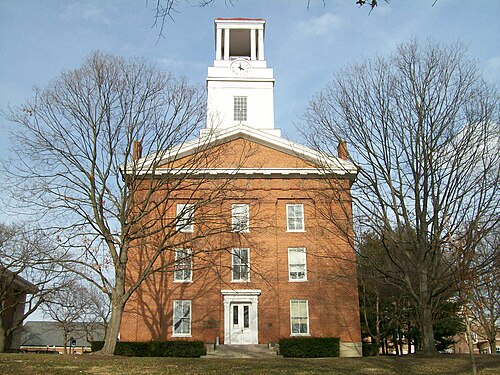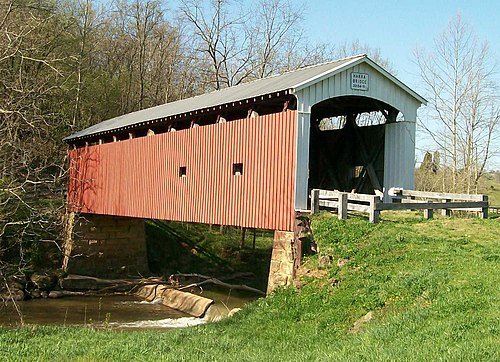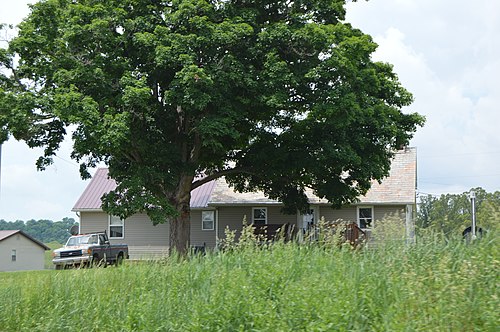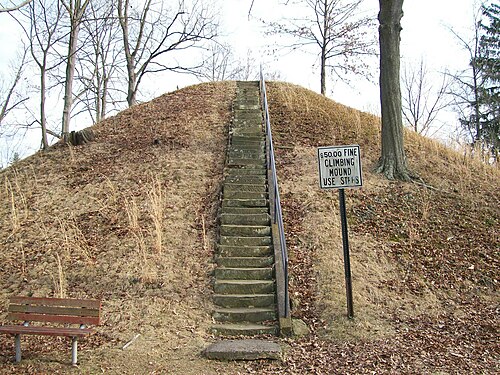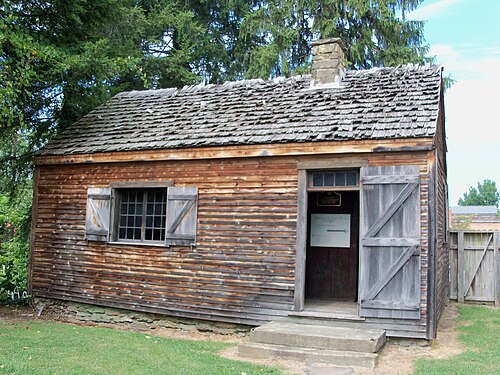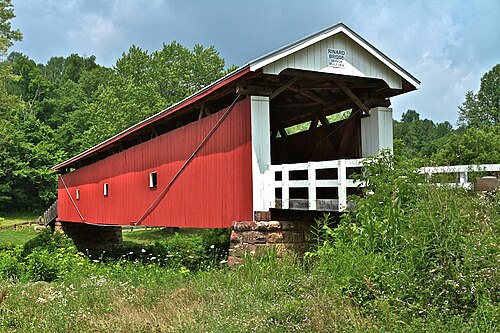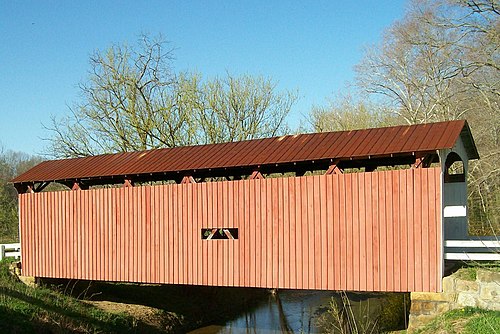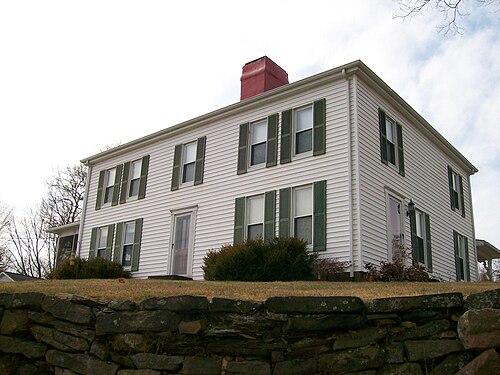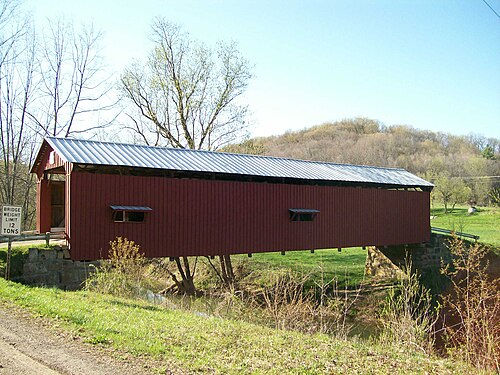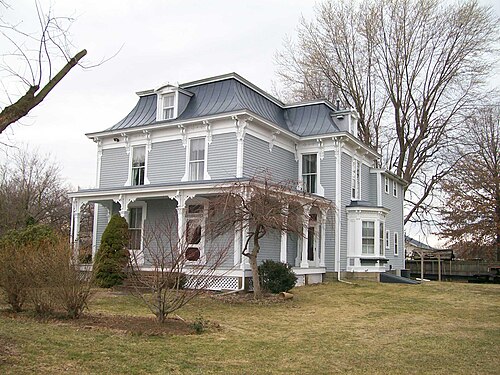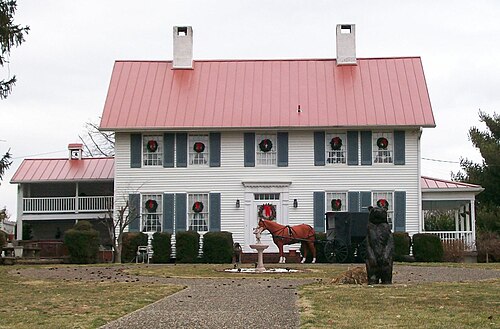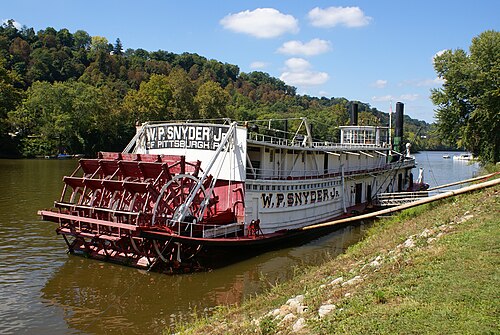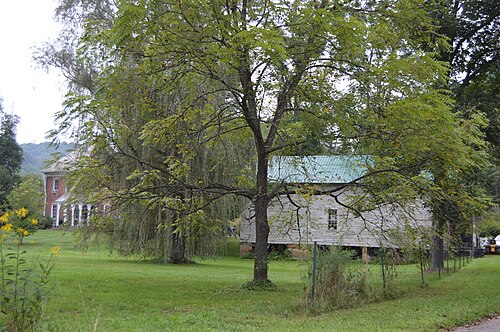
Washington County Ohio has 39 places on the National Register of Historic Places including 1 place of National significance and 13 places of Statewide significance. Significant places include W.P. SNYDER, JR. (steamboat), Erwin Hall, Marietta College, Harmar Historic District, Harra Covered Bridge and Hildreth Covered Bridge.
Prehistoric cultural affiliation(s) include Adena, Hopewell and Late Adena dating back to 499 BC.
Many famous people are associated with these Washington County historic places including Rufus Putnam, Col. Josiah Harmar, Nahum Ward, Col. Joseph Barker, Gen. Rufus Putnam and Walter Curtis.
Some of the country's most noteable architects helped create the Washington County places including James & Sons Rees, Rolla Merydith, Hocking Valley Bridge Works, H. H. Townsend, Rufus Erastus Harte, Ebenezer B. Henderson, Smith Bridge Company, Ohio Company of Associates, Walker & Scott and U.S.Army Corps of Engineers. Prominent architectural styles found in Washington Country are Greek Revival, Federal and Gothic Revival.
Historic Significance:
Event, Architecture/Engineering
Architect, builder, or engineer:
Rees,James & Sons
Area of Significance:
Commerce, Transportation, Engineering, Industry, Maritime History
Period of Significance:
1925-1949, 1900-1924
Historic Function:
Industry/Processing/Extraction, Transportation
Historic Sub-function:
Water-Related
Current Function:
Recreation And Culture
Current Sub-function:
Museum
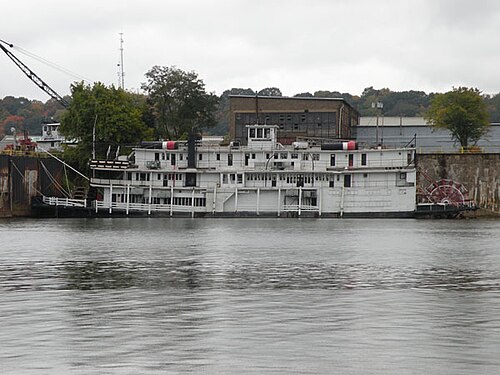
Built in 1918 by James Rees & Sons Company of Pittsburgh, the W.P. Snyder Jr. (originally named the W.H. Clingerman) is historically significant as the nation's sole surviving intact steam-powered, steel-hulled sternwheel towboat. Representing the pinnacle of the golden age of river transportation, the vessel played a vital role in the industrial expansion of the Ohio River basin. For decades, it navigated the Monongahela and Ohio rivers, pushing massive barges of coal and steel raw materials for the Carnegie Steel Company and later the Crucible Steel Company, which renamed the boat in 1945. The Snyder stands as a premier example of the transition from wooden-hulled western river steamboats to modern steel vessels, preserving the essential mechanics, propulsion systems, and layout of early twentieth-century river commerce.
The W.P. Snyder Jr. was retired from active service in 1955 and generously donated by the Crucible Steel Company to the Ohio Historical Society (now the Ohio History Connection). Moored permanently at the Ohio River Museum on the Muskingum River in Marietta, Ohio, the vessel was designated a National Historic Landmark in 1989. As the last of her kind, the towboat serves as an invaluable educational resource and a tangible link to the era of steam navigation that fueled the American Industrial Revolution, preserving the living history of the inland waterways for future generations.