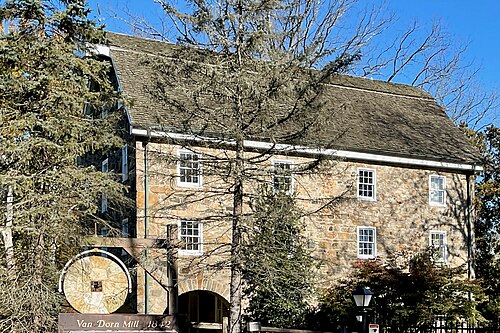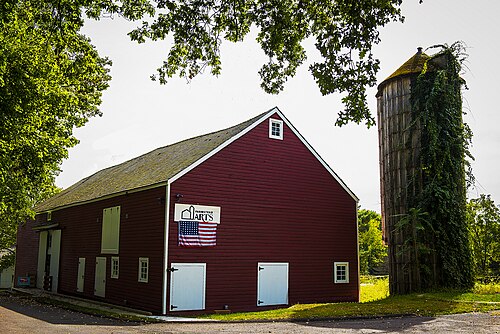
Somerset County New Jersey (Vacant / Not In Use) has 5 places on the National Register of Historic Places including 1 place of National significance and 2 places of Statewide significance. Significant places include Maplewood, Baker-Dauderstadt Farm and Maplewood, Franklin Corners Historic District and Kennedy--Martin--Stelle Farmstead.
The famous person Kennedy, Samuel and Rev is associated with one of more of the Somerset County historic places.
Some of the country's most noteable architects helped create the Somerset County places including John Runyon. Prominent architectural styles found in Somerset Country are Greek Revival, Colonial and Federal.
Historic Significance:
Event, Architecture/Engineering
Architectural Style:
Greek Revival
Area of Significance:
Health/Medicine, Architecture
Period of Significance:
1950-1974, 1925-1949, 1900-1924, 1875-1899, 1850-1874, 1825-1849
Historic Function:
Domestic, Health Care
Historic Sub-function:
Sanatorium, Single Dwelling
Current Function:
Vacant/Not In Use
It sits on Gladstone's Main Street. Built around 1845, the Greek Revival house known as Maplewood got its start just as the rural Peapack Valley began shaking off its sleepy, isolated farm identity. Local builders used heavy timber. They raised a classic five-bay structure, complete with massive Doric columns and a thick entablature that made a bold statement of local wealth. But it wasn't just pretty. The owners raised livestock and grew grain on the surrounding acreage, taking advantage of the rich Somerset County soil before the railroad arrived and changed everything. Then the trains came. In 1890, the Delaware, Lackawanna and Western Railroad pushed its line right into Gladstone, turning a quiet agricultural hub into a playground for New York City's wealthiest elites.
Wall Street barons bought the valleys. They built massive country estates like Blairsden nearby, but Maplewood survived the onslaught by adapting. It became a genteel country residence. The property shed its muddy barns but kept its architectural pride, serving as a physical record of how New Jersey's old-money agricultural class met the Gilded Age head-on. Look closely at the porch. You can still see the original mortise-and-tenon joints and the hand-planed woodwork that survived decades of remodeling. It survived because people loved it. The federal government finally recognized this architectural resilience in 2000, placing the property on the National Register of Historic Places to ensure Gladstone's pre-industrial past wouldn't be paved over.