Louisiana - St. Tammany County - Vacant / Not In Use
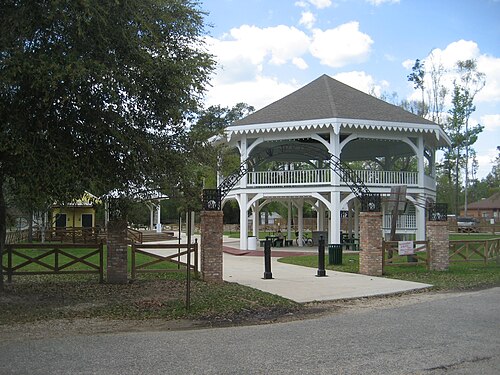
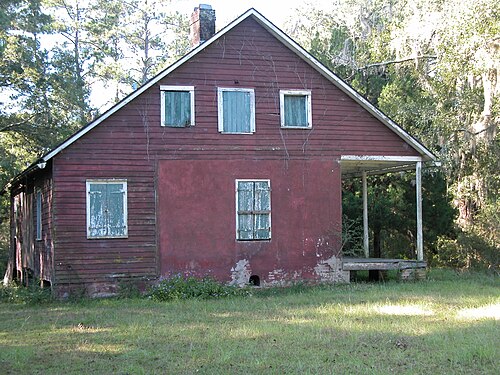
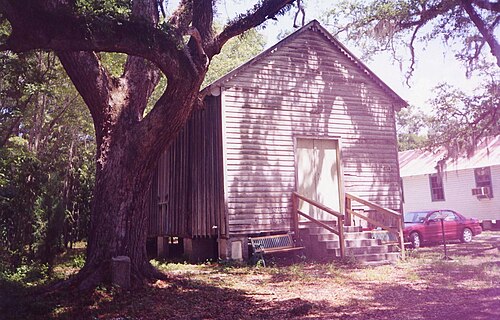
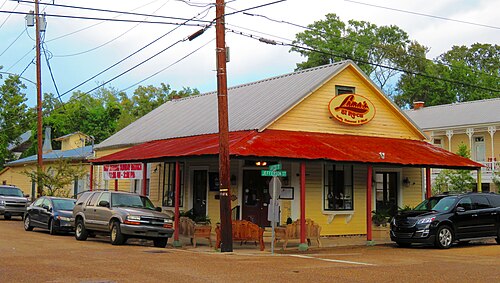
St. Tammany County Louisiana (Vacant / Not In Use) has 7 places on the National Register of Historic Places including 1 place of National significance. Significant places include Tchefuncte Site, Abita Springs Pavilion, Camp Salmen House, Dew Drop Social and Benevolent Hall and Griffin's Bakery.
Prehistoric cultural affiliation(s) include Tchefuncte dating back to 499 BC.
Some of the country's most noteable architects helped create the St. Tammany County places including Poitivent & Favre. Prominent architectural styles found in St. Tammany Country are Queen Anne.
Historic Significance:
Information Potential
Area of Significance:
Native American, Prehistoric
Cultural Affiliation:
Tchefuncte
Period of Significance:
499-0 BC, 499-0 AD
Historic Function:
Domestic
Historic Sub-function:
Village Site
Current Function:
Vacant/Not In Use
Down in St. Tammany Parish, right on the north shore of Lake Pontchartrain, lies a massive pile of ancient clam shells. We call it the Tchefuncte Site. Around 500 BCE, hunter-gatherers started dumping millions of Rangia cuneata shells here, slowly building up giant lakeside trash heaps. They ate well. Digging through the muck, WPA archaeologists in 1938 pulled out deer bones, alligator skulls, and even dog skeletons. The damp earth preserved everything. Usually, Louisiana's acidic soil eats away at organic remains, but the calcium leaching from those millions of decaying clam shells actually saved the bones from dissolving. It was a messy, smelly graveyard.
This muddy site actually gave its name to an entire prehistoric culture. The Tchefuncte. Before these guys came along, local tribes cooked in heavy stone bowls or woven baskets. Then, everything changed. They learned to shape wet mud into functional cookware. Villagers rolled local clay into long coils, stacked them to form jars, and baked them over open fires. Honestly, their pottery was pretty awful. Because they didn't mix sand or grass into the clay as a temper, the vessel walls laminated and cracked easily. It was fragile stuff. But it marks the very beginning of the ceramic age in the Deep South. You can identify their work by the crude, jabbed-line decorations they dragged across the wet clay using twigs or bird bones. It was a messy start, but it redefined life on the bayou.