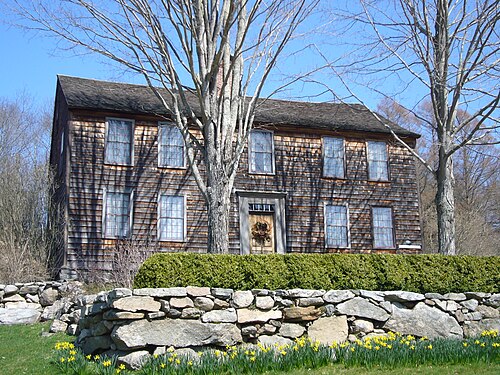
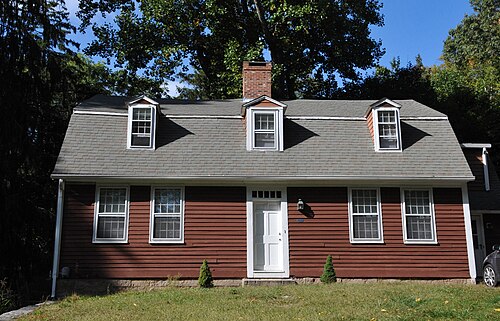
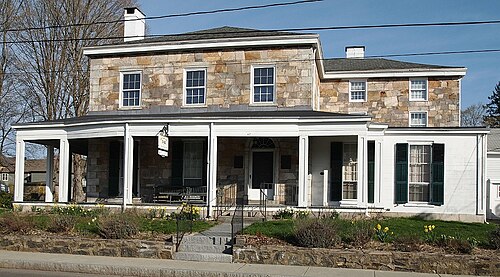
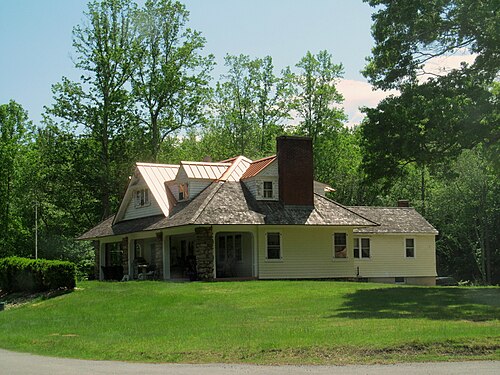
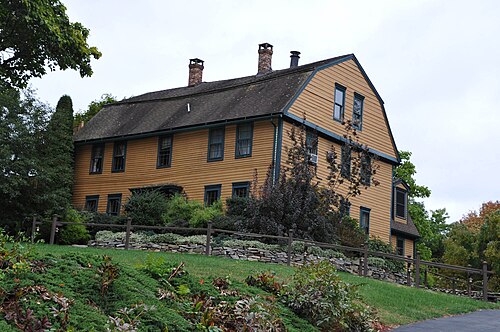
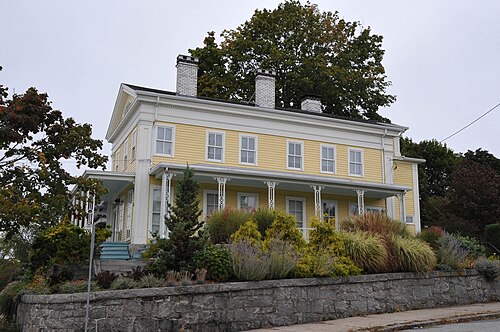
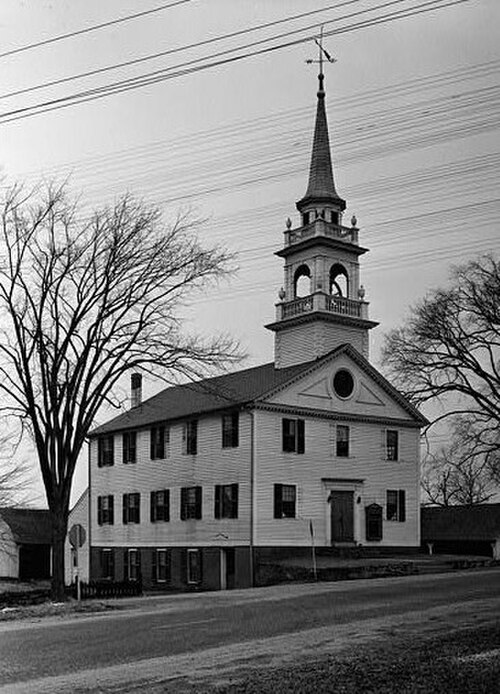
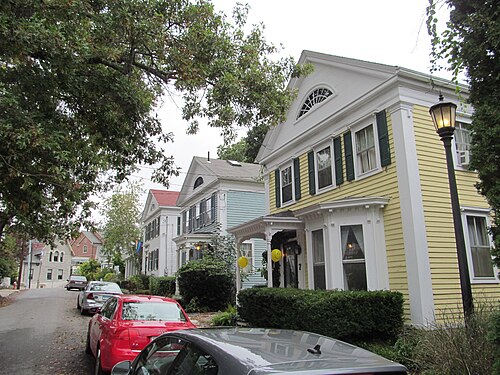
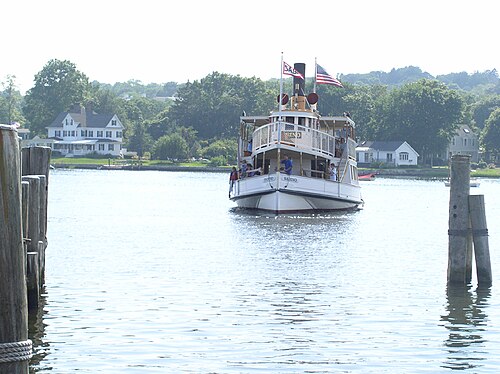
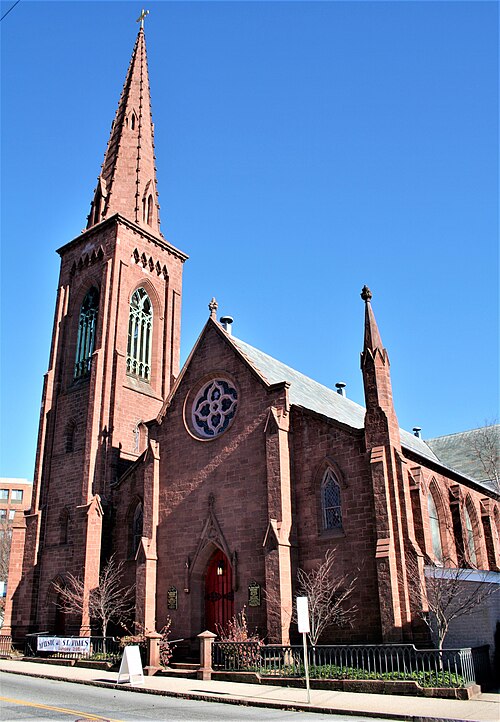
New London County Connecticut (Page 4) has 50 places on the National Register of Historic Places including 10 places of National significance and 20 places of Statewide significance. Significant places include Pequot Fort, Redwood, SABINO (steamer), Seventh Sister and St. James' Episcopal Church.
Prehistoric cultural affiliation(s) include Selden Creek Phase and Middle Woodland dating back to 500.
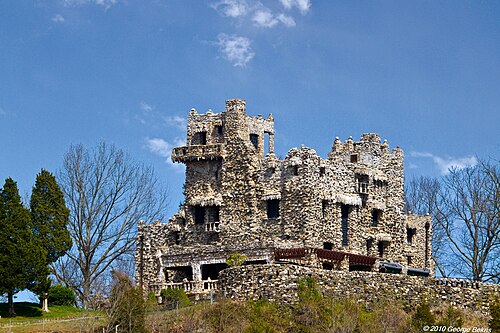
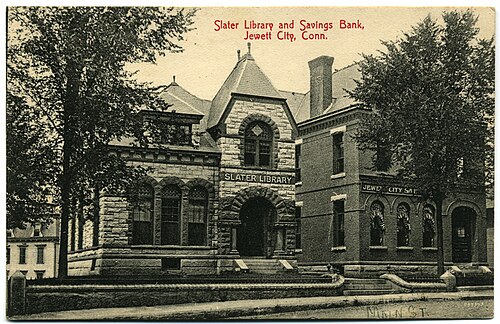
Many famous people are associated with these New London County historic places including William H. Gillette, John Trumbull, Gurdon Saltonstall, Orramel Whittlesey, John Fox Slater and Capt. Nathaniel Shaw.
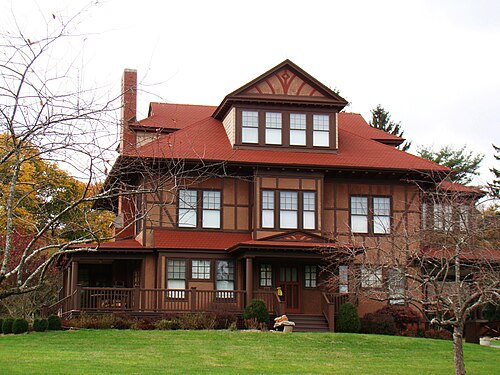
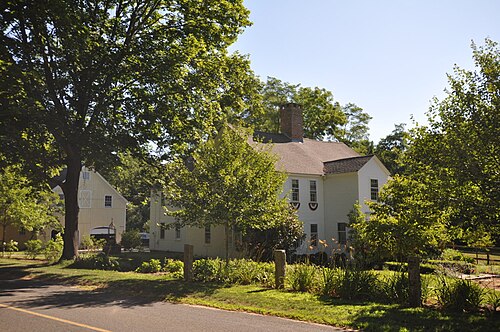
Some of the country's most noteable architects helped create the New London County places including William Gillette, H. Irving Adams, Porteus-Walker Co., Richard Upjohn, General Dynamics Corporation, Issac Fitch, Lewis Crandall, Russell F. Baker, CUdworth and Thompson and Stephen Carpenter Earle. Prominent architectural styles found in New London Country are Colonial, Georgian and Bungalow/Craftsman.
Historic Significance:
Architecture/Engineering, Event
Architect, builder, or engineer:
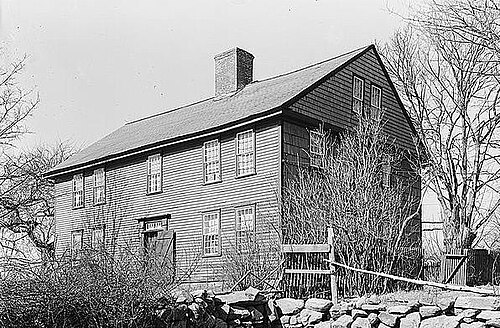
Fitch, Issac
Architectural Style:
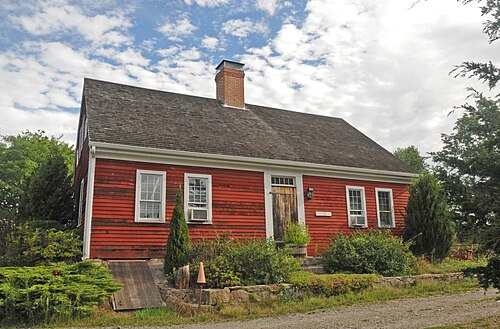
Georgian
Area of Significance:
Architecture, Military
Period of Significance:
1750-1799
Historic Function:
Agriculture/Subsistence, Domestic
Historic Sub-function:
Agricultural Outbuildings, Single Dwelling
Current Function:
Agriculture/Subsistence, Domestic
Current Sub-function:
Agricultural Outbuildings, Single Dwelling
You might drive right past 408 Allyn Street in Groton without blinking. But stop. Tucked back from the road stands Redwood, a striking wood-frame villa from 1843. Architect Richard Upjohn designed this place. Yes, the same guy who built Manhattan's famous Trinity Church. Here, though, he ditched the heavy stone. Instead, he opted for vertical board-and-batten siding, paint formulated to mimic local stone, and wildly ornate, scroll-sawed bargeboards dripping from the gables. It looks like a romantic illustration snatched straight out of an Andrew Jackson Downing pattern book. That is exactly the point. Redwood practically introduced the rural Gothic Revival style to Connecticut's coastline. Upjohn's design proved that American homes did not have to be symmetrical, boring Greek Revival boxes.
The guy who paid for it, John F. Trumbull, was not some artsy bohemian. He was a hard-nosed Stonington merchant who made his pile of cash in the whaling, sealing, and banking industries. Mystic was booming in the 1840s, choking on whale oil and shipyard dust. Trumbull wanted an escape from the grime. So, he bought land on the quieter Groton side of the river and built this country retreat. It signaled a massive shift in how the local elite spent their money. They started moving away from the crowded waterfront docks to build showcase estates on the surrounding ridges. Redwood still sits on its original acreage, largely unaltered, preserving the exact moment when Connecticut's maritime wealth traded smelly harbor piers for polite, suburban leisure.









.jpg)


.jpg)


.jpg)


.jpg)
.jpg)


.jpg)
