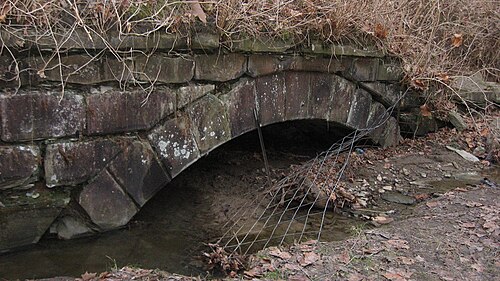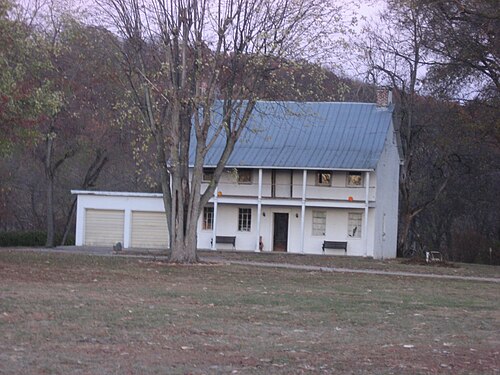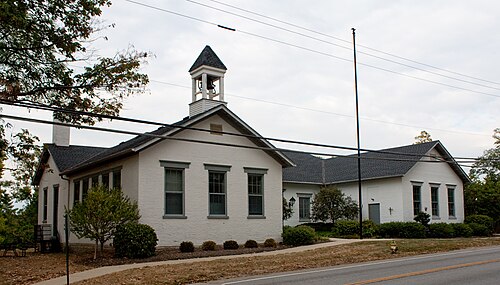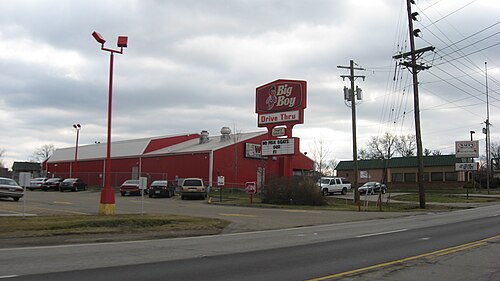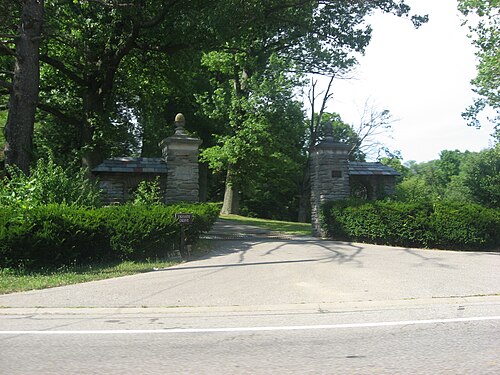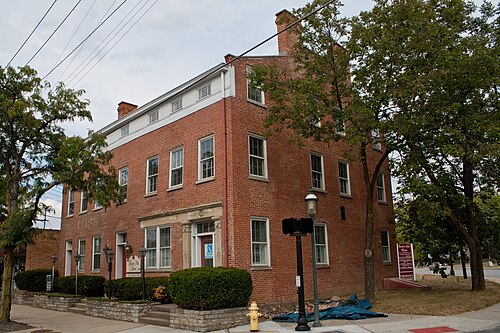
Hamilton County Ohio (Vacant / Not In Use) has 34 places on the National Register of Historic Places including 4 places of Statewide significance. Significant places include Cincinnati and Whitewater Canal Tunnel, Eighteen Mile House, Lombardy Apartment Building and Old Gothic Barns and Alexandra, The.
Prehistoric cultural affiliation(s) include Adena dating back to 999 BC.
Several famous people are associated with these Hamilton County historic places including Madam Fredin, Frederick Lunkenheimer, Sargent William Brown and Dr.Jehu John Jr..
Some of the country's most noteable architects helped create the Hamilton County places including Emery,Thomas,& Sons, Samuel Hannaford, S. and H. & Company Howard, Darius Lapham, Thomas Emery's Sons, Jos. & Bros. Steinkamp, Hannaford,Samuel,& Sons, Joseph G. Steinkamp, F & W Construction and Albert Kahn. Prominent architectural styles found in Hamilton Country are Italianate, Late 19th And 20th Century Revivals and Late Victorian.
Historic Significance:
Event, Architecture/Engineering
Architect, builder, or engineer:
Howard, S. and H. & Company, Lapham, Darius
Architectural Style:
Other
Area of Significance:
Engineering, Transportation
Period of Significance:
1850-1874, 1825-1849
Historic Function:
Transportation
Historic Sub-function:
Rail-Related, Water-Related
Current Function:
Vacant/Not In Use
The Cincinnati and Whitewater Canal Tunnel, constructed between 1839 and 1842 near Cleves, Ohio, holds immense historical significance as the first canal tunnel built in the state of Ohio. Designed to facilitate trade between the rapidly growing city of Cincinnati and the agricultural heartland of southeastern Indiana, the tunnel was a vital link in the Cincinnati and Whitewater Canal. By piercing a ridge of hills separating the Great Miami River and Ohio River valleys, this 1,782-foot brick-lined tunnel eliminated the need for circuitous river routes or difficult overland portages. Its construction represented a monumental engineering feat of the American Canal Era, demonstrating sophisticated masonry and subterranean excavation techniques during a period of intense infrastructure development in the Midwest.
Although the canal itself enjoyed a relatively brief operational lifespan before being eclipsed by the rapid expansion of railroads, the tunnel adapted to the changing transportation landscape. In the early 1850s, the Indianapolis and Cincinnati Railroad purchased the canal's right-of-way and laid tracks directly through the tunnel, repurposing it to serve steam locomotives until a new rail alignment was established in the late 19th century. Today, the tunnel remains a remarkably preserved civil engineering landmark, showcasing the physical transition from water-based to rail-based transportation networks that fueled the regional economy. Listed on the National Register of Historic Places in 2001, the site stands as a silent monument to the ambition and ingenuity of Ohio's early transportation pioneers.