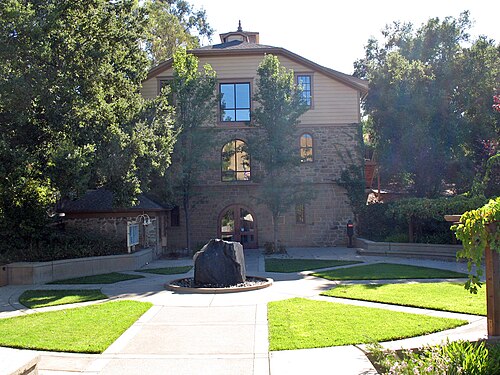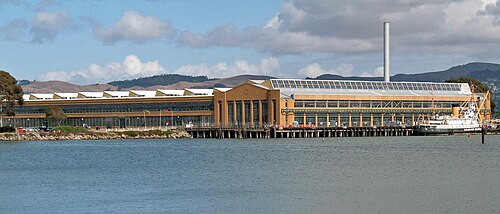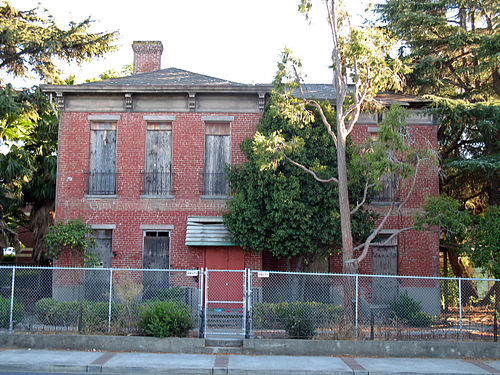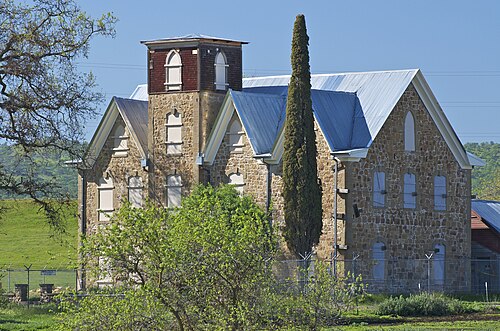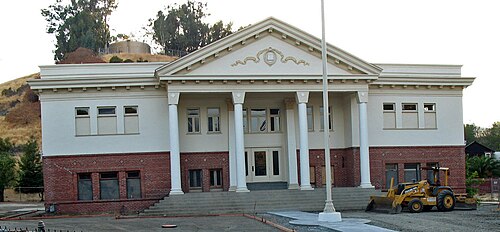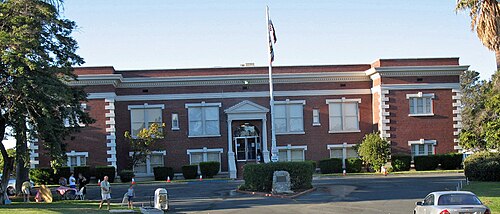
Contra Costa County California has 50 places on the National Register of Historic Places including 7 places of National significance and 7 places of Statewide significance. Significant places include Atchison Village Defense Housing Project, Cal. 4171-x, East Brother Island Light Station, Eugene O'Neill National Historic Site, John Muir National Historic Site and Richmond Shipyard Number Three dating back to 10999 BC.
Many famous people are associated with these Contra Costa County historic places including John Muir, Eugene O'Neill, John Marsh, Paul DeMartini, Alice Tisdale Hobart and Charles Washington Merill.
Some of the country's most noteable architects helped create the Contra Costa County places including Wolfe & Son, Permenenta Metals Corp., Unkown, Frederick Confer, Richmond Shipyard No. 1, Carl I. Warnecke, Mory Wortman, Vicente Martinez, Anor Larson and Andrew T. Hass. Prominent architectural styles found in Contra Costa Country are Italianate, Classical Revival and Queen Anne.
Historic Significance:
Architecture/Engineering, Event
Architect, builder, or engineer:
Richmond Shipyard No. 1, Permenenta Metals Corp.
Architectural Style:
Other
Area of Significance:
Maritime History, Military, Transportation, Engineering
Period of Significance:
1925-1949
Historic Function:
Defense, Transportation
Historic Sub-function:
Naval Facility, Water-Related
Current Function:
Work In Progress
Richmond, California during World War II was loud. Blacksmiths, riveters, and draftsmen swarmed the Kaiser Shipyards twenty-four hours a day. Out of this industrial chaos, Shipyard No. 1 spit out the SS Red Oak Victory in late 1944. She was not elegant. Actually, she looked like a floating steel shoebox. But she was tough. Builders designed these Victory ships to outrun U-boats, a major upgrade from the slower Liberty ships. Kaiser's yards broke global production records. They did this by hiring a brand-new workforce of women and Black laborers. She is the only survivor.
She did not just sit in the harbor. The Navy commissioned her as the USS Red Oak Victory, packing her holds with ten thousand tons of ammunition for the Pacific theater. She survived the war. Then she hauled cargo during the Korean and Vietnam conflicts. Eventually, the military mothballed her in the muddy waters of Suisun Bay, where rust almost claimed her. But in 1998, a dedicated group of preservationists towed her back home to Richmond. Now, volunteers keep her operational. You can walk her decks, smell the heavy marine diesel, and stand in the cramped galley. This is history you can actually touch.