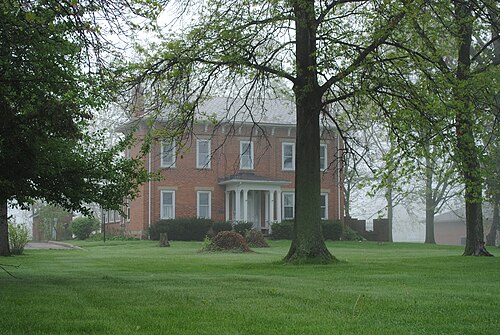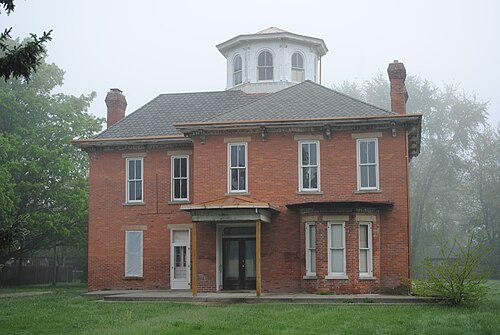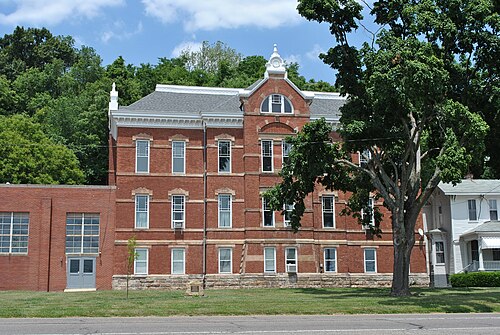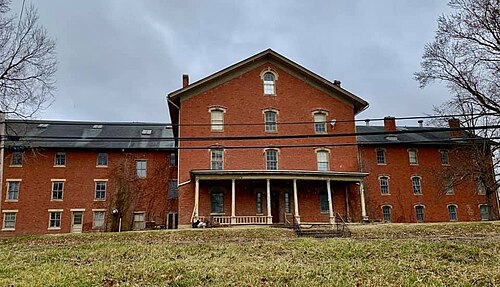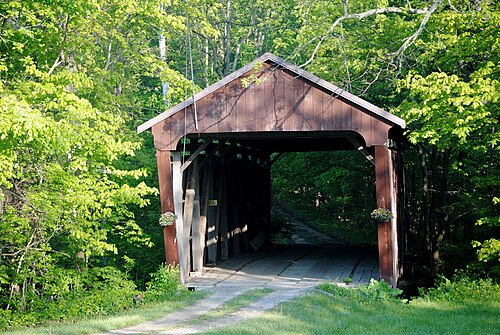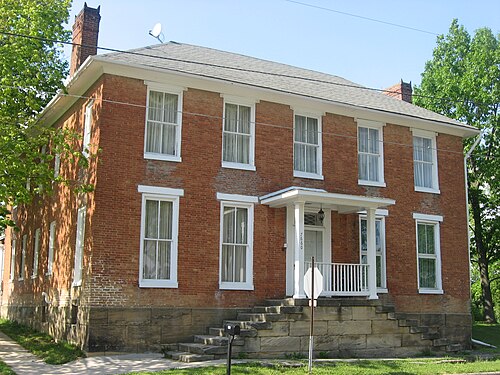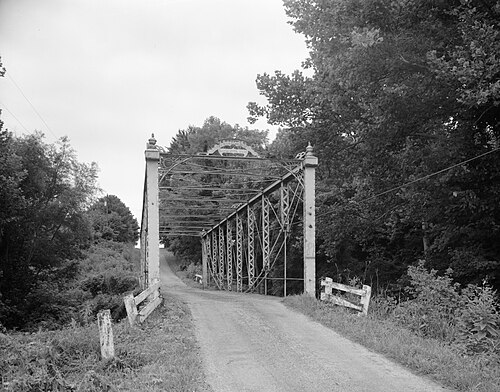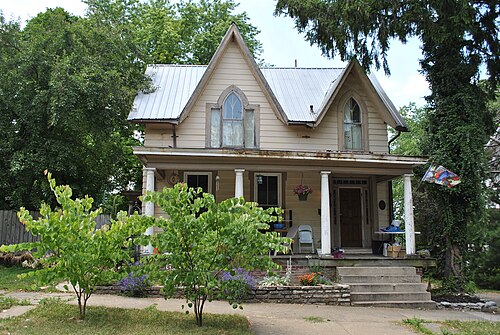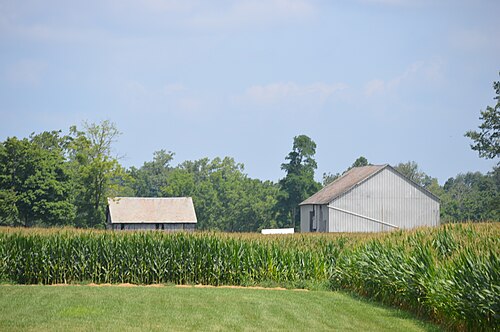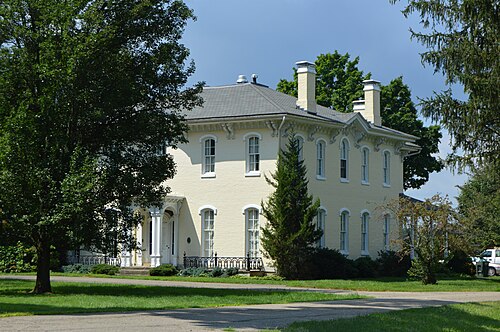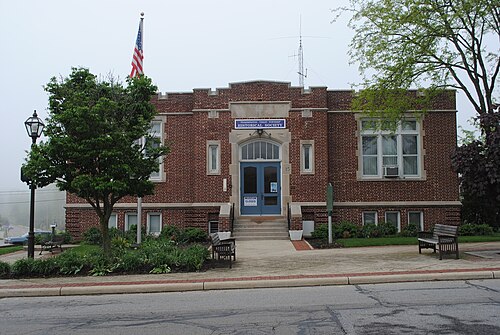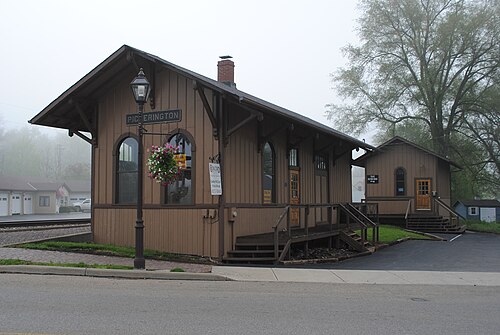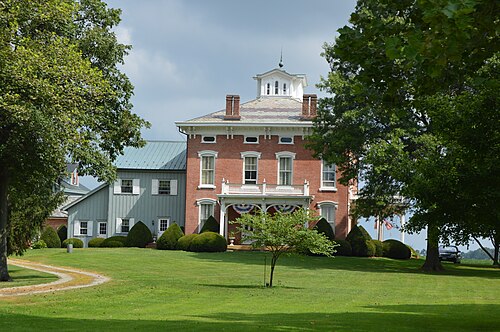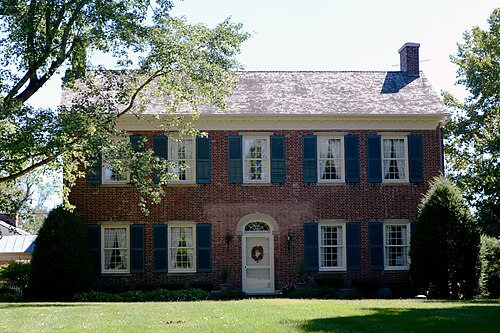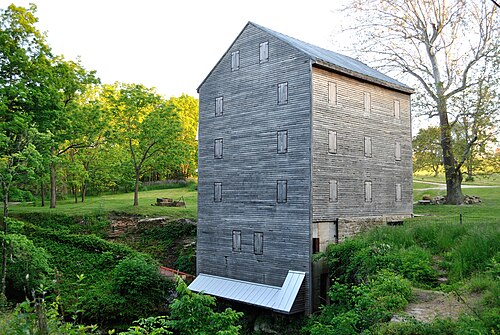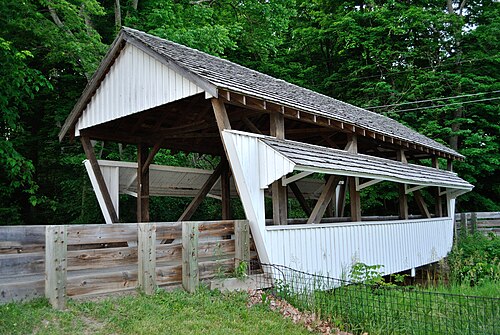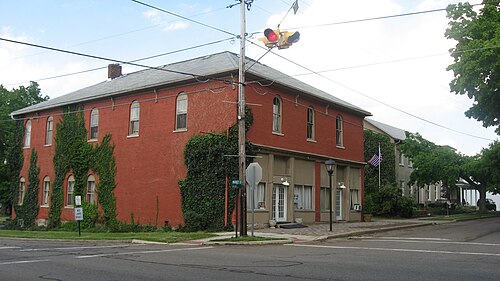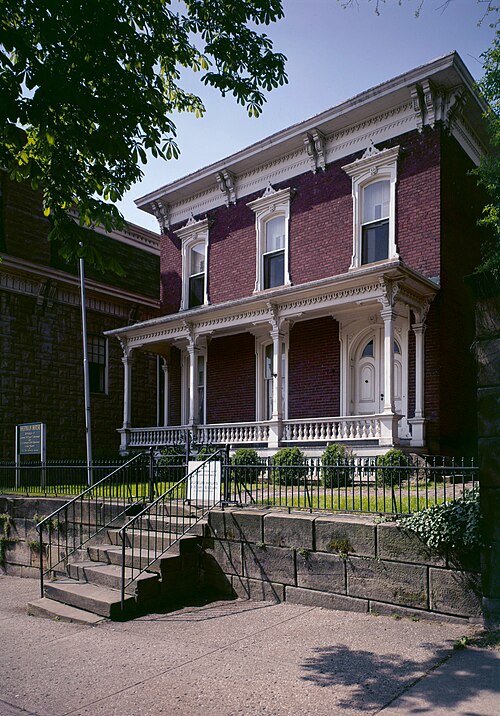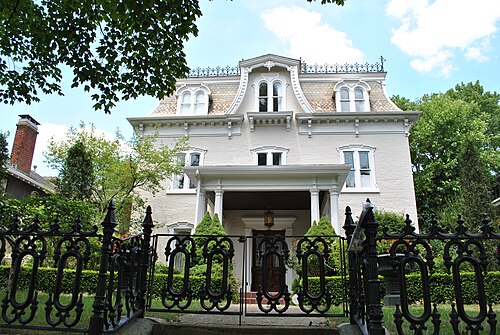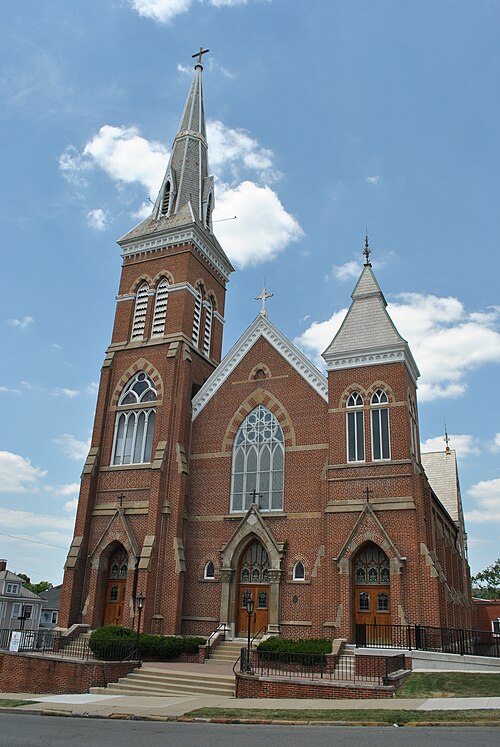
Fairfield County Ohio has 47 places on the National Register of Historic Places including 1 place of National significance and 13 places of Statewide significance. Significant places include Sherman, John, Birthplace, Blacklick Covered Bridge, Bright, John, Covered Bridge, Concord Hall and Hizey Covered Bridge.
Prehistoric cultural affiliation(s) include Adena, Hopewell, Woodland and Mississippian dating back to 1499 BC.
Several famous people are associated with these Fairfield County historic places including John Sherman, William Medill and John M. Creed.
Some of the country's most noteable architects helped create the Fairfield County places including Capt. Augustus Witte, August Borneman, Jacob R. Brandt, Jacob Brandt, Aug Borneman & Sons, Samuel Doyle, James W. Buchanan, Daniel Sifford, Hocking Valley Bridge Works and John Leist. Prominent architectural styles found in Fairfield Country are Italianate, Greek Revival and Federal.
Historic Significance:
Person
Historic Person:
Sherman,John
Significant Year:
1832, 1823
Area of Significance:
Politics/Government
Period of Significance:
1825-1849, 1800-1824
Historic Function:
Domestic
Historic Sub-function:
Single Dwelling
Current Function:
Recreation And Culture
Current Sub-function:
Museum
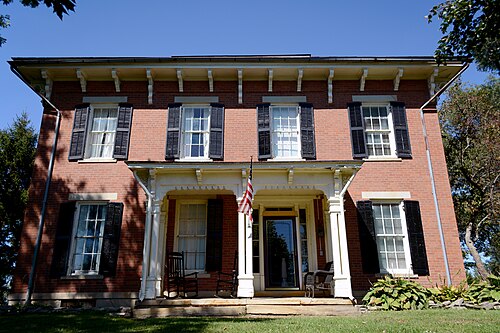
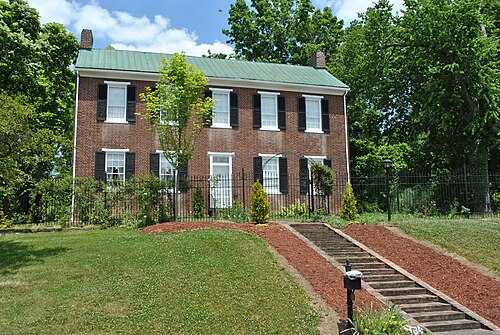
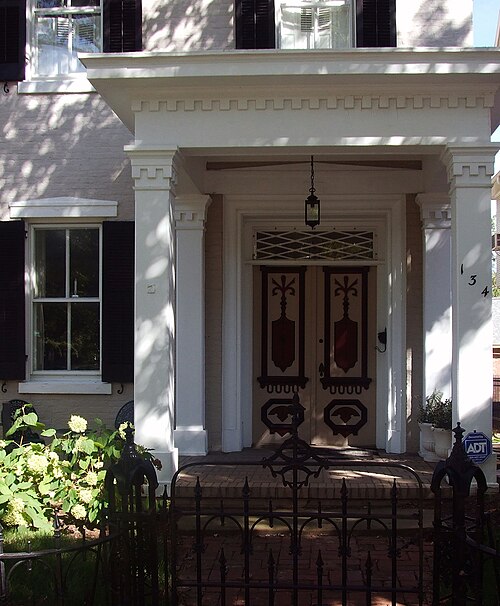
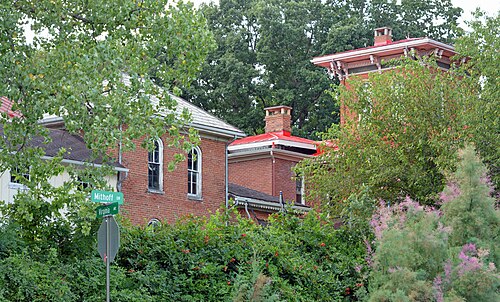
The John Sherman Birthplace, also known as the Sherman House, is a historic wood-frame and brick residence located in Lancaster, Ohio, that possesses exceptional national significance as the home of one of America's most distinguished nineteenth-century families. Originally constructed as a modest frame dwelling in 1811, the house was purchased by Charles R. Sherman, a lawyer and future Ohio Supreme Court Justice, who expanded the structure in 1816 with a brick front addition to accommodate his growing family. It was within this home that two of the era's most influential national figures were born: General William Tecumseh Sherman in 1820, and his younger brother, statesman John Sherman, in 1823. The home stands as a remarkably preserved example of early Federal-style architecture in the Northwest Territory and serves as a physical touchstone to the formative years of these two giants of American history.

The site's historical significance derives from the profound contributions of the Sherman brothers to the military, political, and economic trajectory of the United States. General William Tecumseh Sherman emerged as one of the Union's most brilliant and devastating military strategists during the American Civil War, famed for his capture of Atlanta and his subsequent "March to the Sea," which crippled the Confederacy's infrastructure and resolve. John Sherman achieved equal prominence in the civilian sphere, embarking on a monumental fifty-year career in Washington where he served as a U.S. Representative, Senator, Secretary of the Treasury, and Secretary of State. As a principal architect of Gilded Age economic policy, he authored the landmark Sherman Antitrust Act of 1890, which remains the bedrock of federal antitrust law, as well as the Sherman Silver Purchase Act. Designated a National Historic Landmark in 1964, the property remains a vital monument to the enduring legacy of federal leadership, financial reform, and military triumph during a defining epoch of the nation.